Maintaining your pool pump is crucial for ensuring your pool remains clean, safe, and efficient. A well-maintained pool pump can serve you for many years, providing the necessary circulation to keep your pool water clear and healthy. Below are some essential tips for maintaining your pool pump to ensure it operates optimally throughout its lifespan.
Regular Inspections for Wear and Tear
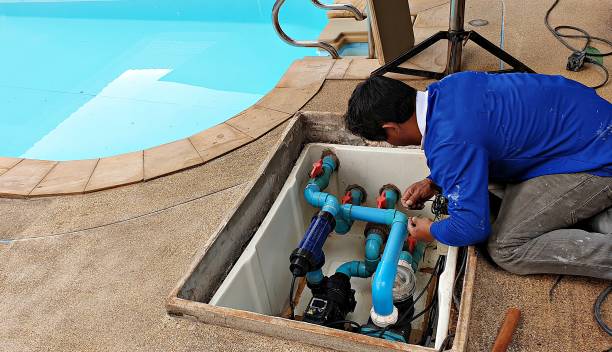
Conducting regular inspections of your pool pump is the first step in maintaining its performance. Check the pump’s components, including seals, gaskets, and the housing, for any signs of wear and tear. Over time, these parts can degrade, leading to leaks or reduced efficiency. By catching these issues early, you can avoid bigger problems down the line. Make it a habit to inspect your pump at least once a month, paying close attention to any unusual noises or vibrations that could indicate underlying issues.
Keep Your Pool Pump Clean
Keeping your pool pump clean is essential for its efficient operation. Dirt, leaves, and other debris can accumulate in the pump basket and impeller, causing blockages that reduce water flow. Regularly clean the pump basket and inspect the impeller for any obstructions. Additionally, check the pump’s exterior for dirt and grime that could affect its performance. A professional pool pump supplier often recommends using a soft brush or cloth to clean the exterior, ensuring that you do not damage any delicate components.
Monitor and Maintain Water Levels
Maintaining the correct water level in your pool is vital for the pool pump’s longevity. If the water level is too low, the pump may run dry, causing it to overheat and damage internal components. Conversely, if the water level is too high, it can lead to inefficient operation. Keep an eye on the water level in your pool and ensure it is maintained at the optimal level, typically about halfway up the skimmer opening. This simple step can significantly extend the lifespan of your pool pump.
Ensure Proper Lubrication
Lubrication is vital for the smooth operation of your pool pump. The bearings and seals within the pump require lubrication to minimize friction and wear. Check your pump’s manual for the recommended lubrication schedule and types of lubricants to use. Do not over-lubricate, as this can attract dirt and cause other problems. Regular lubrication ensures that all moving parts operate smoothly, reducing the likelihood of mechanical failures and extending the lifespan of your pool pump.
Check and Replace Pool Pump Seals
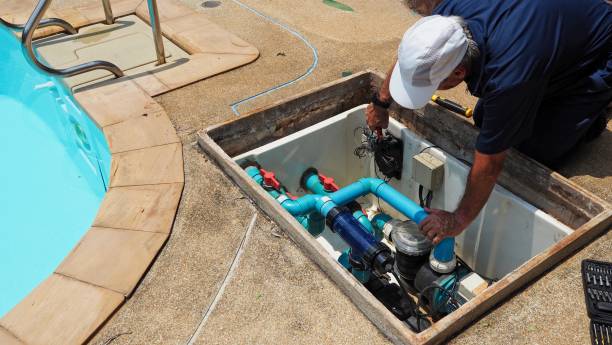
Pool pump seals are essential for preventing leaks and ensuring efficient operation. Over time, these seals can become brittle and cracked, leading to water leaks that can damage the pump motor and other components. Regularly inspect the seals for any signs of wear and replace them as needed. It’s advisable to have a set of seals on hand, so you can quickly replace them when necessary. Ensuring your seals are in good condition will help maintain the pump’s efficiency and prevent costly repairs.
Balance the Pool’s Chemical Levels
The chemical balance of your pool water can significantly impact the performance and longevity of your pool pump. Unbalanced chemicals can lead to corrosion and scale buildup, which can damage the pump’s internal components. Regularly test your pool’s water and adjust the chemical levels to ensure that they are within the recommended ranges. Maintaining balanced water chemistry not only protects your pool pump but also ensures that your pool water remains safe and pleasant for swimming.
Manage Pump Run Time
Managing the run time of your pool pump is crucial for both energy efficiency and pump longevity. Running the pump for too long can lead to unnecessary wear and tear, while running it too little can result in inadequate water circulation and poor water quality. Typically, running your pool pump for about 8 hours a day is sufficient; however, this may vary based on your pool’s size, usage, and environmental conditions. Adjust the run time to find the optimal balance for your specific situation, ensuring that the pump is neither overworked nor underutilized.
Schedule Professional Maintenance
While regular DIY maintenance is essential, scheduling professional maintenance for your pool pump can ensure it remains in top condition. Professional technicians have the expertise and tools to perform thorough inspections, cleanings, and repairs that may be beyond the scope of routine maintenance. At least once a year, have a qualified pool professional service your pump to identify and address any potential issues. Professional maintenance can help extend the lifespan of your pool pump and ensure it operates at peak efficiency.
Maintaining your pool pump for optimal performance involves a combination of regular inspections, cleaning, and professional servicing. By following these tips, you can ensure that your pool pump remains efficient and reliable, providing you with clear and healthy pool water for years to come. Proper maintenance not only enhances the pump’s performance but also helps avoid costly repairs and replacements.
 House Specialist