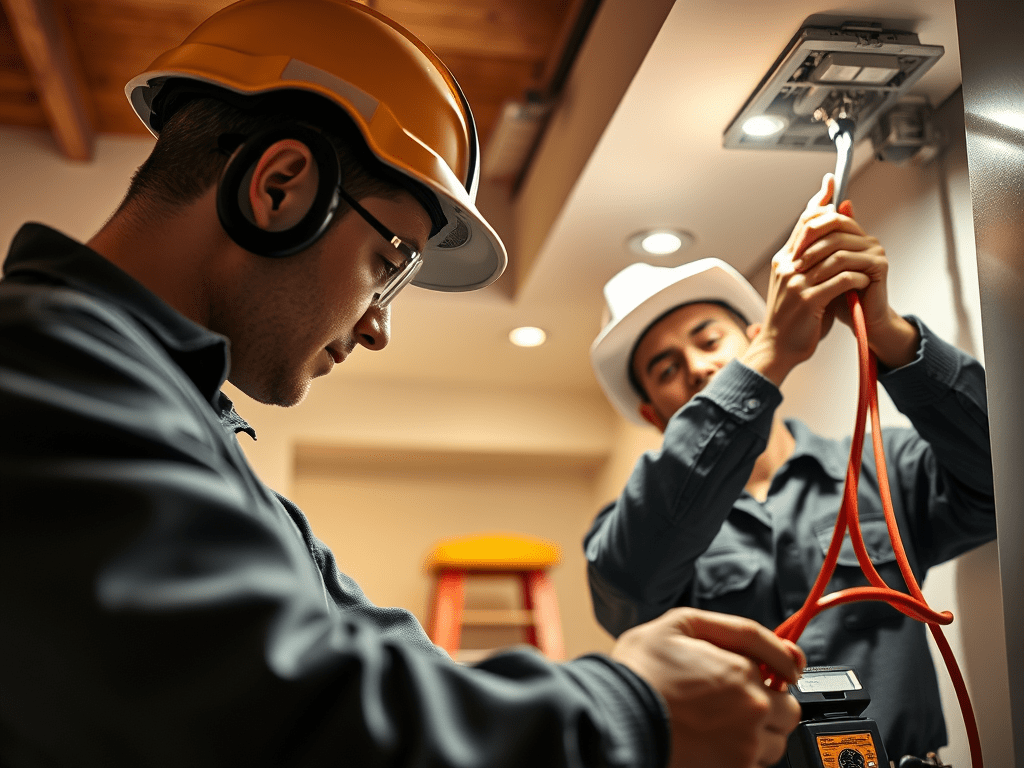
Energy efficiency is becoming increasingly important for homeowners and businesses looking to cut costs and reduce their environmental footprint. Professional electricians play a key role in ensuring that electrical systems operate efficiently and safely. Here’s how electricians contribute to energy savings in homes and offices.
Switching to Energy-Efficient Lighting
One of the easiest ways to cut down on energy usage is by upgrading to LED lighting. Electricians can replace outdated incandescent or fluorescent bulbs with LED fixtures, which consume less power and last significantly longer. This simple change can lead to substantial savings on electricity bills.
Installing Smart Technology for Better Control
Smart technology allows homeowners and businesses to automate and control energy use more effectively. Transforming Home Electrical Systems with Smart Technology, electricians can install motion sensors, dimmer switches, and programmable lighting systems that ensure lights are only used when necessary, helping reduce energy waste.
Enhancing Electrical Systems for Efficiency
Old electrical panels and wiring can lead to power loss and inefficiencies. Electricians assess and upgrade electrical systems to handle modern energy-efficient appliances, improving performance while preventing electrical hazards. Get your lights fixed today with Reliable Power and ensure a safer, more efficient electrical setup.
Optimizing HVAC and Climate Control Systems
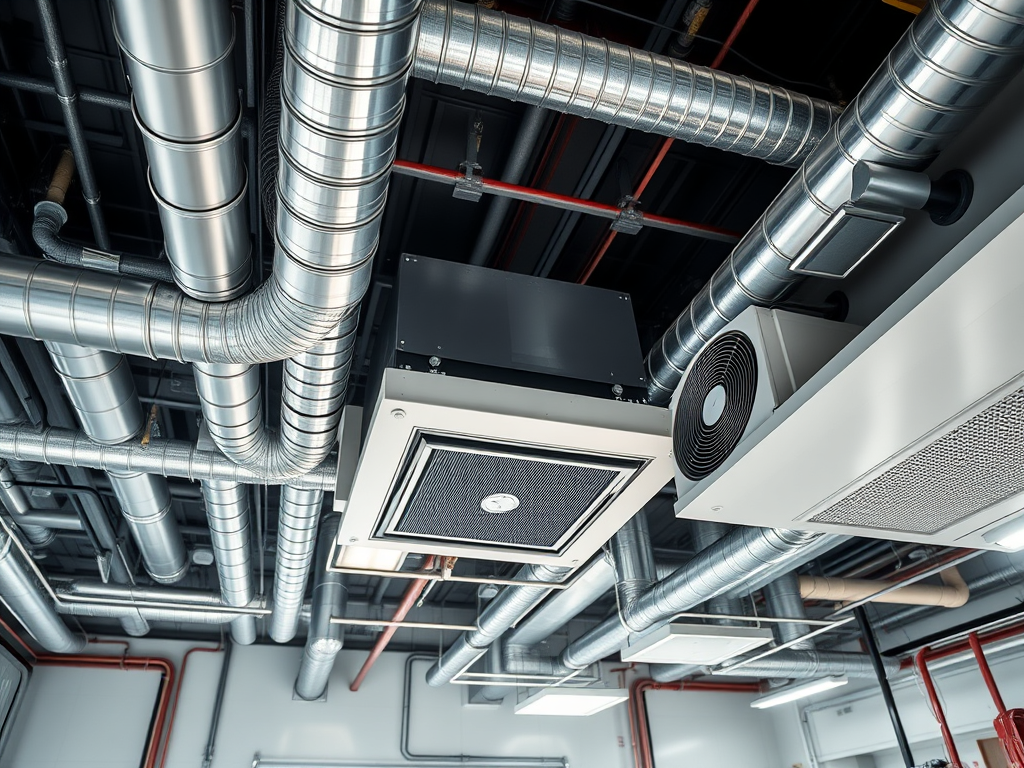
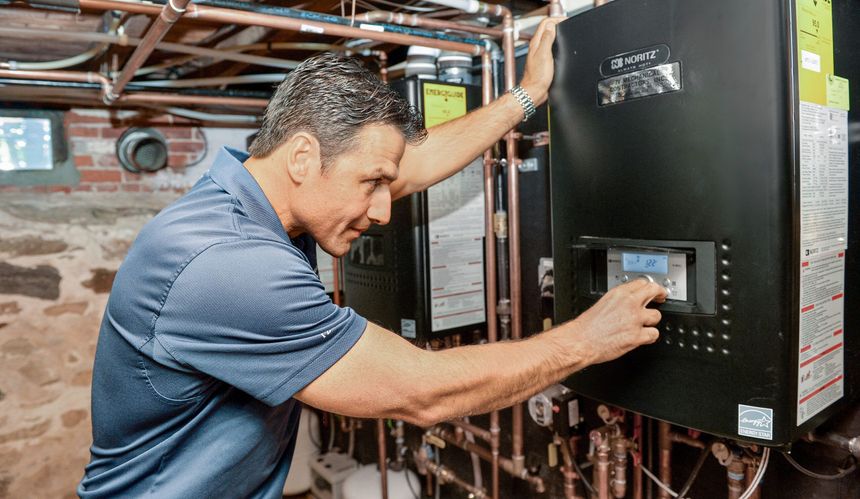
Heating and cooling systems consume a large portion of energy in homes and offices. Electricians help improve efficiency by installing smart thermostats and optimizing HVAC systems to adjust temperatures automatically, reducing unnecessary energy consumption.
Integrating Renewable Energy Solutions
For those interested in sustainable energy, electricians are essential in designing and installing solar panels and other renewable energy systems. They ensure proper installation, wiring, and compliance with local regulations, allowing buildings to generate their own electricity efficiently.
Detecting and Eliminating Energy Waste
Many electrical devices continue to draw power even when turned off, leading to “phantom loads.” Electricians can identify these hidden energy drains and recommend solutions like smart power strips, reducing unnecessary electricity usage.
Upgrading Electrical Infrastructure
Outdated wiring and poor insulation contribute to energy loss. Electricians can replace inefficient wiring and ensure proper insulation, reducing energy waste and improving overall system reliability.
Conducting Energy Audits for Maximum Savings
A professional energy audit by an electrician helps identify areas where energy is being wasted. They provide expert recommendations on upgrades, helping homeowners and businesses make informed decisions about energy efficiency improvements.
Conclusion
Electricians play a crucial role in making homes and offices more energy-efficient. From upgrading lighting and electrical systems to integrating smart technology and renewable energy, their expertise ensures that energy is used wisely. If you’re looking to reduce your energy bills and create a more sustainable space, consulting a qualified electrician is the best way to start.
Windows has evolved significantly in recent years, with modern advancements bringing improved energy efficiency, durability, and aesthetic appeal. Homeowners looking to upgrade their living spaces now have access to cutting-edge window technology that enhances both comfort and functionality. Whether it’s better insulation, smart automation, or enhanced security, modern windows offer a range of features designed to meet today’s lifestyle demands. Among the top brands leading this innovation, Sunrise Windows stands out for its commitment to high-performance solutions that blend style with advanced technology.
Energy Efficiency for Year-Round Comfort
One of the most important innovations in modern windows is improved energy efficiency. Traditional windows often allowed drafts and heat transfer, leading to higher energy bills and inconsistent indoor temperatures. Today’s windows are designed with multiple panes, low-emissivity coatings, and gas-filled insulation to minimize heat loss in winter and reduce heat gain in summer. Sunrise Windows incorporates advanced insulation technology to ensure homes stay comfortable in all seasons while reducing energy consumption.
Smart Window Technology for Convenience
Home automation has extended to windows, offering homeowners new levels of convenience and control. Smart windows can be operated remotely via a smartphone app, allowing users to open, close, or tint their windows with a simple touch. Some models even have sensors that adjust automatically based on temperature or sunlight exposure. These features not only improve energy efficiency but also enhance security by allowing homeowners to monitor and control their windows from anywhere.
Enhanced Security Features for Peace of Mind
Modern windows are designed with advanced security features that help protect homes from potential break-ins. Reinforced frames, impact-resistant glass, and multi-point locking systems provide an added layer of security. Unlike older window models, which were often vulnerable to forced entry, new designs ensure that homes remain safe without compromising aesthetics. Sunrise Windows integrates these security enhancements while maintaining sleek and elegant designs that complement any architectural style.
Noise Reduction for a Quieter Home
Noise pollution can be a significant concern, especially for homes located in busy neighborhoods or near high-traffic areas. These windows feature specialized soundproofing technology that reduces external noise, creating a more peaceful indoor environment. Laminated glass and insulated frames help block unwanted sounds, allowing homeowners to enjoy a quieter, more relaxing atmosphere. This feature is particularly beneficial for bedrooms, offices, and living spaces where tranquility is essential.
Sustainable Materials for Eco-Friendly Living
Sustainability is a growing priority for homeowners, and modern windows are now manufactured using eco-friendly materials and processes. Many window manufacturers use recycled materials, sustainable sourcing, and energy-efficient production methods to reduce their environmental impact. Sunrise Windows prioritizes sustainability by offering energy-saving designs that contribute to lower carbon footprints while maintaining top-tier performance.
Customizable Designs to Suit Any Home
Beyond functionality, these windows offer a wide range of design options to match various architectural styles. Homeowners can choose from different frame materials, colors, grid patterns, and glass finishes to create a personalized look. Whether it’s a minimalist aesthetic, a traditional charm, or a bold contemporary statement, today’s windows provide endless customization possibilities. Sunrise Windows offers a variety of styles that cater to both modern and classic home designs, ensuring that functionality does not come at the expense of visual appeal.
Self-Cleaning Glass for Low Maintenance
Cleaning windows can be a tedious task, but modern technology has introduced self-cleaning glass that makes maintenance easier. Special coatings break down dirt and allow rainwater to wash away debris, keeping windows cleaner for longer periods. This innovation reduces the need for frequent washing, saving homeowners time and effort while maintaining crystal-clear views.
Weather Resistance for Longevity
Extreme weather conditions can take a toll on traditional windows, leading to warping, cracking, or fading over time. Modern windows are built with materials that withstand harsh weather elements, from heavy storms to intense heat. Advanced weatherproofing seals and durable frame construction ensure long-lasting performance, making them a smart investment for homeowners looking for longevity and durability. Sunrise Windows incorporates weather-resistant technology that keeps windows in pristine condition even in challenging climates.
Conclusion
Innovative window features have transformed the way homeowners experience comfort, security, and efficiency. With advancements in smart technology, sustainability, and durability, modern windows provide solutions that enhance both residential and commercial spaces. Sunrise Windows continues to lead the way in developing high-quality, energy-efficient windows that align with modern living standards. Investing in the latest window innovations not only improves the quality of life but also adds long-term value to any property.
Gutters are a crucial part of any home’s drainage system, helping to direct rainwater away from your foundation, walls, and landscaping. However, when they start leaking, they can cause severe water damage, leading to costly repairs. If you notice water dripping or pooling around your home, it’s time to act fast. Here’s a step-by-step guide on how to fix leaky gutters before they cause damage.
Understanding Why Gutters Leak
Before you can fix a leaky gutter, you need to understand why it’s leaking in the first place. Common reasons include:
Clogs – Leaves, dirt, and debris can block the flow of water, causing it to overflow.
Cracks and Holes – Over time, small cracks or holes can develop in the gutter material.
Loose or Broken Seams – Sections of your gutter system might separate, leading to leaks.
Improper Slope – If gutters aren’t sloped correctly, water can pool instead of flowing properly.
Identifying the cause of the leak will help you choose the best solution and prevent future issues.
Why Timely Repairs Matter
Leaky gutters might seem like a minor nuisance, but if left untreated, they can lead to significant damage, such as:
Foundation Erosion – Water pooling near your home can weaken the foundation over time.
Roof Damage – Water backing up due to clogged or broken gutters can seep into the roof.
Mold and Mildew Growth – Excess moisture can create the perfect environment for mold.
Addressing gutter leaks early can save you thousands of dollars in home repairs.
DIY Fixes vs. Professional Help
If you have the right tools and feel comfortable working on a ladder, you can handle minor gutter repairs yourself. However, for extensive damage, hiring a professional service like Gutter Repair in Atlanta ensures the job is done safely and correctly. Professionals have the expertise and equipment to fix your gutters efficiently, preventing future leaks.
Step-by-Step Guide to Fixing Leaky Gutters
1. Clean the Gutters Thoroughly
Before attempting any repair, remove all debris from the gutters using gloves, a scoop, and a garden hose. This will help you see where the leaks are coming from and ensure any sealant or patching materials adhere properly.
2. Seal Small Cracks and Holes
For tiny holes or cracks, use a waterproof gutter sealant. Here’s how:
Dry the area completely.
Apply the sealant inside the gutter over the crack.
Ensure the gutter is sloped slightly downward toward the downspout for proper drainage.
A level and measuring tape will help ensure your gutters are at the correct angle.
5. Install Gutter Guards
One of the best ways to prevent future leaks is by installing gutter guards. These covers help keep leaves and debris out while allowing water to flow freely. They can significantly reduce the need for frequent cleaning and maintenance.
When to Replace Your Gutters
Sometimes, repairs aren’t enough. If your gutters are severely rusted, have multiple leaks, or are pulling away from your home, it might be time for a replacement. Investing in seamless gutters or high-quality materials like aluminum or copper can provide a longer-lasting solution.
Conclusion
Fixing leaky gutters doesn’t have to be overwhelming. With routine maintenance and timely repairs, you can prevent costly home damage and keep your gutters working efficiently. Whether you choose to DIY or call in experts like Atlanta Gutter Repair, addressing leaks early will save you time and money in the long run. Stay proactive, and your home will thank you!
Your HVAC system plays a crucial role in maintaining a comfortable indoor climate year-round. Ensuring it runs smoothly not only enhances your comfort but also improves its efficiency and prolongs its lifespan. Here’s a comprehensive guide to help you keep your HVAC system in top condition.
Importance of Regular Maintenance
Routine maintenance is the backbone of any well-functioning HVAC system. Just like your car, your heating and cooling system needs periodic check-ups to operate efficiently. Regular maintenance helps identify potential problems before they become costly repairs.
Schedule Professional Inspections
It’s essential to have your HVAC system inspected by professionals at least twice a year—once before the summer season and once before winter. Expert heating technicians in Grapevine can provide thorough inspections and address any issues promptly. These professionals have the knowledge and equipment to ensure your system runs at optimal performance, saving you from unexpected breakdowns and high repair costs.
Replace Air Filters Regularly
Air filters play a significant role in maintaining air quality and system efficiency. Over time, filters can become clogged with dust, debris, and allergens, which restricts airflow. Replace or clean your air filters every 1-3 months, depending on the type of filter and your household environment. This simple step can make a noticeable difference in your HVAC system’s performance and longevity.
Keep Vents and Registers Clean
Ensure that all vents and registers are clear of obstructions like furniture, curtains, or dust build-up. Blocked vents can restrict airflow, forcing your system to work harder, which can lead to increased wear and tear. Regularly vacuum and dust around these areas to keep air flowing freely throughout your home.
Use a Programmable Thermostat
A programmable thermostat can significantly enhance your HVAC system’s efficiency. It allows you to set desired temperatures for different times of the day, ensuring that your system isn’t working harder than necessary. For instance, you can set the temperature lower during the night or when you’re away, and have it adjust to a comfortable setting before you wake up or return home.
Seal and Insulate Ductwork
Leaky ducts can lead to a substantial loss of heated or cooled air, which forces your HVAC system to work harder to maintain desired temperatures. Inspect your ductwork for leaks and seal any gaps with duct tape or mastic sealant. Additionally, ensure that your ducts are adequately insulated, especially in unconditioned spaces like attics or basements.
Maintain the Outdoor Unit
The outdoor unit of your HVAC system is often exposed to the elements and can easily get clogged with debris such as leaves, dirt, and grass clippings. Regularly check the outdoor unit and clear any debris that may have accumulated around it. Additionally, make sure there’s at least two feet of clearance around the unit to ensure proper airflow.
Balance the System
Proper system balance ensures that every room in your home receives equal airflow, maintaining a consistent indoor climate. If you notice some rooms are hotter or colder than others, consider having your system balanced by an HVAC professional. They can adjust the dampers and registers to ensure even distribution of air throughout your home.
Monitor Energy Consumption
Keep an eye on your energy bills and monitor your HVAC system’s energy consumption. A sudden spike in energy usage could indicate that your system is struggling to maintain temperatures and might need maintenance or repairs. Regular monitoring can help you catch issues early and avoid costly repairs.
Keep Thermostat Away from Heat Sources
Ensure that your thermostat is placed away from heat sources such as direct sunlight, lamps, and appliances. Heat sources can cause false readings, leading your system to overcompensate by running longer than necessary. This not only wastes energy but also puts extra strain on your HVAC system.
Know When to Call a Professional
While regular maintenance and DIY tasks can keep your HVAC system running smoothly, some issues require professional attention. Indications that your HVAC system needs maintenance include unusual noises, inconsistent temperatures, or any other signs of a malfunctioning system. Don’t hesitate to call an HVAC expert if you notice these issues. Expert heating technicians in Grapevine are trained to diagnose and repair complex problems, ensuring that your system operates efficiently and reliably.
Conclusion
Keeping your HVAC system running smoothly involves regular maintenance, timely inspections, and being proactive about potential issues. By following these tips and partnering with expert heating technicians in Grapevine, you can ensure that your system remains efficient, reliable, and provides the comfort you need year-round. Regular attention to your HVAC system will not only enhance its performance but also extend its lifespan, offering you peace of mind and savings on unnecessary repair costs.
Water is one of the most destructive forces that can damage a home. From flooding to mold growth, the effects of water damage can be costly and long-lasting. That’s where gutters come into play. While they may seem like a simple feature of your home’s exterior, gutters play a critical role in preventing water from causing significant damage to your property. In this article, we’ll explore how gutters protect your home from water damage and why they are an essential part of your home’s infrastructure.
The Role of Gutters in Water Management
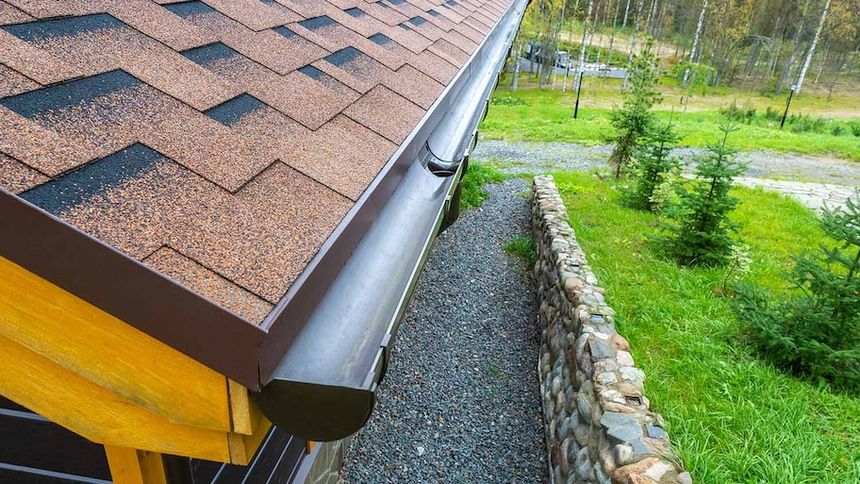
Gutters are designed to collect rainwater and channel it away from your home’s roof, walls, and foundation. Without a properly functioning gutter system, water can collect on your roof or pool around the foundation, leading to a range of serious problems. Gutters help prevent these issues by directing water to downspouts, which then carry it away from your home. Gutter specialists in Athens Georgia can provide expert installation and maintenance services to keep your gutters in optimal condition, protecting your home from water damage.
Preventing Roof Damage with Gutters
One of the most direct ways gutters prevent water damage is by protecting your roof. When gutters are clogged or broken, water can overflow and spill onto the roof, where it can cause significant damage. Standing water can penetrate the roofing materials, leading to leaks, wood rot, and mold growth. Over time, this can weaken the roof structure, leading to expensive repairs or even premature roof replacement.
By ensuring that gutters are clear of debris and functioning properly, water is diverted away from the roof. This reduces the likelihood of water damage, prolonging the life of your roofing system and preventing the need for costly repairs.
Protecting Your Foundation from Water Damage
Perhaps the most significant way gutters prevent water damage is by protecting your home’s foundation. When gutters fail to direct water away from the house, rainwater can pool around the foundation, seeping into the soil and causing erosion. Over time, this can lead to cracks in the foundation, which may allow water to enter the basement or crawl space. This can cause structural damage to your home, leading to expensive foundation repairs.
Gutters prevent this by directing water away from the foundation, ensuring that the surrounding soil remains stable. A properly functioning gutter system helps maintain the integrity of your foundation and minimizes the risk of costly repairs.
Reducing the Risk of Basement Flooding
In areas with heavy rainfall or poor drainage, basement flooding can be a common problem. keep your gutter water flowing freely by ensuring your gutters and downspouts remain clear of debris to prevent water accumulation near the foundation. When gutters are clogged or not functioning correctly, water can accumulate near the foundation and seep into the basement. This can result in flooding, which may damage your belongings, create a damp environment conducive to mold growth, and lead to significant structural issues.
By keeping gutters clean and clear, water is properly channeled away from the foundation, reducing the risk of basement flooding. This simple measure can help you avoid the hassle and expense of water damage in your basement, while also protecting the overall health of your home.
Preventing Erosion Around Your Property
Water runoff from the roof can erode the soil around your property if it isn’t properly managed. When rainwater falls unchecked, it can wash away soil, create puddles, and even lead to landscape damage. This erosion can cause uneven ground around your home, resulting in potential drainage problems and an unattractive landscape.
A functioning gutter system helps prevent erosion by redirecting water away from the property. By ensuring that rainwater flows to designated areas, such as a garden or storm drain, gutters help protect your landscaping and maintain the stability of the soil surrounding your home.
Preventing Mold and Mildew Growth
Excess moisture can lead to the growth of mold and mildew, both of which can cause serious health problems and damage to your home’s structure. Gutters play an essential role in preventing this by channeling rainwater away from areas that are prone to moisture accumulation, such as the attic, basement, or exterior walls.
When gutters are clogged, water can overflow and seep into the walls or roofline, creating the perfect environment for mold to thrive. By keeping your gutters clear and functional, you help prevent moisture from entering your home, reducing the risk of mold and mildew growth and maintaining a healthier indoor environment.
Conclusion
Gutters are one of the most effective and affordable ways to protect your home from water damage. By diverting rainwater away from your roof, foundation, and other vulnerable areas, gutters play a crucial role in preventing water damage that could otherwise lead to costly repairs. Regular maintenance of your gutters is essential to ensure they continue to provide this vital protection, keeping your home safe, dry, and structurally sound for years to come.
When it comes to window installations, achieving both functionality and longevity involves more than just securing the window in place. Proper flashing and sealing are critical elements that significantly affect the performance and durability of your windows. This guide will delve into the importance of window flashing and sealing, and how Marvin window installation instructions provide comprehensive guidance to ensure a successful installation.
Understanding Window Flashing
Window flashing is a thin, waterproof material that is installed to prevent water from entering through the joints and seams of windows. It acts as a barrier to divert water away from the window opening, providing an additional layer of protection beyond what the window itself offers. Flashing is essential in preventing water infiltration, which can lead to various issues such as mold growth, wood rot, and structural damage.
The Purpose of Sealing in Window Installation
Sealing, on the other hand, involves applying sealants to close gaps and create a watertight and airtight barrier at the window perimeter. Proper sealing ensures that no drafts, moisture, or pests can enter through the small spaces between the window frame and the wall. Both flashing and sealing work together to create a comprehensive protective system that enhances the window’s performance and longevity.
Marvin window installation instructions are well-respected for their thoroughness and clarity. Following these instructions meticulously can help ensure that your windows are installed correctly, with proper flashing and sealing. The following steps are typically included in Marvin’s guidelines:
Preparation: Clear the area around the window opening and ensure the surface is clean and dry.
Flashing the Sill: Apply the first layer of flashing tape along the sill (bottom) of the window opening to create a waterproof base. Extend the flashing slightly up the jambs (sides) to ensure full coverage.
Installing the Window: Place the window into the opening and secure it according to the specified instructions, checking for level and plumb as you proceed.
Flashing the Jambs and Head: Apply flashing tape along the jambs and head (top) of the window, ensuring it overlaps with the sill flashing. This step is crucial for creating a continuous barrier that directs water away from the window.
Sealing the Perimeter: Use a high-quality sealant around the perimeter of the window frame, focusing on the corners and any gaps. Smooth the sealant for a consistent and professional finish.
Final Inspection: Check that the window operates smoothly and that there are no gaps or voids in the flashing and sealing.
Importance of Proper Flashing
Proper window flashing is critical for several reasons. Firstly, it prevents water from entering the building envelope, which is the protective barrier that separates the interior environment from the exterior. Water infiltration can cause severe damage over time, leading to costly repairs and potential health issues due to mold and mildew.
The Role of Sealing in Energy Efficiency
Sealing is not just about keeping water out; it also plays a significant role in energy efficiency. Proper sealing helps to eliminate drafts, which can significantly impact heating and cooling costs. An effectively sealed window reduces the leakage of conditioned air, maintaining a stable indoor temperature and improving overall energy efficiency.
Common Mistakes and How to Avoid Them
Inadequate flashing and sealing are common mistakes that can undermine the effectiveness of window installations. One frequent error is failing to overlap the flashing tapes correctly, which can create gaps where water can penetrate. Another common oversight is using low-quality sealants that may crack or shrink over time. To avoid these issues, it is crucial to follow manufacturer guidelines, such as Marvin window installation instructions, that specify the appropriate products and techniques for flashing and sealing.
Long-Term Benefits of Proper Flashing and Sealing
Investing time and effort into proper flashing and sealing during window installation pays off in the long run. Well-installed windows with proper flashing and sealing can last longer, require fewer repairs, and maintain their appearance and functionality over time. Moreover, they contribute to the overall energy efficiency and comfort of your home, leading to cost savings on utility bills.
Conclusion
In conclusion, the role of window flashing and sealing in effective installation cannot be overstated. These elements are essential for preventing water infiltration, enhancing energy efficiency, and ensuring the longevity and performance of your windows. By adhering to Marvin window installation instructions, homeowners can achieve a high-quality installation that protects their investment and enhances their living environment. Proper flashing and sealing not only safeguard your home against the elements but also contribute to a more comfortable and energy-efficient living space. Whether you are a DIY enthusiast or hiring a professional, it is crucial to prioritize these aspects to achieve the best possible outcome for your window installations.
Your heating system is one of the most important components in maintaining comfort during colder months. Whether it’s a furnace, boiler, or heat pump, a reliable heating system ensures that your home remains warm and cozy. However, like any complex machine, it needs regular maintenance to continue operating efficiently and avoid costly repairs.
Ensuring Energy Efficiency
Over time, your heating system can become less efficient if it is not properly maintained. Dust, dirt, and debris can accumulate in the system, causing it to work harder to heat your home. This results in higher energy consumption and increased utility bills. Regular checkups allow technicians to clean essential components, such as filters and coils, ensuring that the system runs smoothly and efficiently. By addressing issues like clogged filters or dirty components, you can ensure that your heating system operates at its peak efficiency, which ultimately saves you money on energy costs.
Preventing Major Breakdowns
One of the main reasons to schedule regular heating system checkups is to prevent major breakdowns that can be both inconvenient and costly. During routine maintenance, a technician can inspect your system for any signs of wear and tear, such as frayed wires, loose components, or failing parts. Catching these issues early can help avoid a sudden breakdown that leaves you without heat during the coldest part of the year. Proactive maintenance reduces the likelihood of requiring repair heating system services during an emergency, which can often be more expensive and stressful.
Prolonging the Life of Your Heating System
Like any major appliance, your heating system has a finite lifespan. However, with proper care, it can last much longer than expected. Regular checkups and maintenance are crucial for extending the life of your heating system. By ensuring that all components are in good condition and addressing minor issues before they become major problems, you can avoid premature wear and tear that shortens the system’s lifespan. A well-maintained system can continue to operate effectively for many years, delaying the need for a costly replacement.
Enhancing Safety
For homeowners who rely on gas-powered heating systems, safety is a top priority. A malfunctioning heating system can lead to dangerous situations, such as gas leaks or carbon monoxide poisoning. Regular checkups are vital for ensuring that your system is operating safely. A qualified technician will inspect key safety features, such as gas lines, venting systems, and carbon monoxide detectors, to ensure everything is in good working order. This helps reduce the risk of dangerous situations that could compromise your home’s safety.
Improving Indoor Air Quality
The quality of the air in your home can be directly impacted by the performance of your heating system. Over time, dust, dirt, and other allergens can accumulate in the system, reducing the air quality in your home. Regular heating system checkups include cleaning the system’s filters, ducts, and other components, which helps remove allergens and improves indoor air quality. If you or anyone in your household suffers from allergies or respiratory issues, maintaining a clean heating system can make a noticeable difference in your comfort and health.
Avoiding Costly Repairs
Routine maintenance often involves small, simple tasks that prevent larger, more costly repairs down the line. A technician may identify an issue, such as a small leak or a worn-out part, that can be fixed during a regular checkup. If left unaddressed, this minor issue could escalate into a more serious problem requiring expensive repair heating system services. Regular checkups allow for early detection of potential issues, saving you money by fixing them before they turn into expensive repairs or replacements. However,when your heating system suddenly fails, having a trusted professional you can call is crucial. Regular maintenance minimizes the likelihood of unexpected breakdowns, but in emergencies, quick access to reliable service can restore your home’s comfort and prevent further damage to the system.
Maintaining the Manufacturer’s Warranty
Many heating systems come with a manufacturer’s warranty that may require you to perform regular maintenance to keep the warranty valid. If you neglect to schedule checkups or fail to maintain the system according to the manufacturer’s guidelines, you could void the warranty, leaving you responsible for repair costs. Scheduling regular heating system checkups ensures that your warranty remains intact, giving you peace of mind in case a serious issue arises. Additionally, choosing systems made by American manufacturing companies can provide an added layer of confidence, as these products often come with rigorous quality standards and robust support networks, ensuring reliability and easier access to parts and services when needed.
Conclusion
Regular heating system checkups are essential for maintaining the efficiency, safety, and longevity of your system. By scheduling routine maintenance, you not only improve the comfort of your home but also save money by avoiding expensive repairs and ensuring that your system operates efficiently. Proactive care helps prevent breakdowns, enhances air quality, and prolongs the life of your heating system. Don’t wait for a problem to arise—schedule your heating system checkup today to ensure that your home stays warm and comfortable throughout the winter months.
Pipe leaks can cause significant inconvenience and potentially severe damage to your home if not detected and repaired promptly. These plumbing issues often start small but can lead to costly repairs and a myriad of other problems over time. Understanding how to prevent and manage leaks through effective plumbing repair is essential to protect your property and maintain a safe living environment.
The Silent Threat of Pipe Leaks
Pipe leaks often go unnoticed until significant damage has occurred. They can originate from corrosion, faulty installations, worn-out seals, or even natural wear and tear. It’s crucial to stay vigilant and regularly inspect your plumbing system to catch leaks early. Regular maintenance can reveal minor issues before they turn into major problems requiring extensive repair.
Identifying the Early Signs of Leaks
Early detection is key to minimizing damage from pipe leaks. Common signs include unexpected increases in your water bill, the sound of running water when all faucets are off, damp spots on walls or ceilings, and reduced water pressure. Musty odors or visible mold growth can also indicate hidden leaks. If you notice any of these symptoms, it’s vital to perform a thorough inspection and schedule plumbing leak repair as soon as possible.
Regular Maintenance
Preventive maintenance is one of the most effective ways to avoid the high cost of extensive repair. Regularly check pipes, fittings, and appliances for signs of wear or potential leaks. Ensuring that water pressure is at an appropriate level can also reduce the risk of leaks. High water pressure can strain pipes and lead to leaks over time. Installing a pressure regulator can help maintain optimal water pressure levels and prolong the lifespan of your plumbing system.
The Role of Smart Technology
Modern technology offers innovative solutions to monitor and detect potential plumbing issues. Smart water leak detectors and automated shut-off valves can alert you to leaks early, allowing you to take prompt action. These devices can be installed in vulnerable areas such as under sinks, near water heaters, and around major appliances. Investing in smart technology can save you from expensive repair bills by preventing leaks from going unnoticed.
Immediate Action
When a leak is detected, immediate action is critical. Shut off the water supply to the affected area or the entire house if necessary. This can prevent further water damage and give you time to assess the situation. Contacting a professional for repair promptly ensures that the issue is addressed correctly and thoroughly. Professionals have the tools and expertise to locate hidden leaks, repair damaged pipes, and ensure your plumbing system is functioning correctly.
DIY Repairs
While minor leaks, such as dripping faucets, can sometimes be fixed with basic DIY skills, more complex issues should always be handled by professionals. Attempting to repair major leaks on your own can often result in temporary fixes and severe long-term damage. Professional plumbers provide comprehensive repair services, including identifying the root cause of leaks, repairing or replacing damaged parts, and offering maintenance tips to prevent future issues.
Preventive Measures to Avoid Future Leaks
After addressing any immediate leaks, it’s important to take preventive steps to avoid future problems. Water Damage Cleanup is equally critical, as addressing leaks and preventing water damage can save businesses from costly disruptions. Insulating exposed pipes can prevent them from freezing and bursting in cold weather. Regularly inspecting and maintaining water heaters, as well as replacing old and worn-out pipes can also reduce the risk of leaks. Ensuring proper installation and using high-quality materials during plumbing repairs and upgrades are vital for long-term system reliability.
Environmental and Financial Benefits of Timely Repairs
Addressing plumbing leaks promptly not only protects your home from water damage and mold growth but also offers significant environmental and financial benefits. Water conservation is crucial, and fixing leaks can save thousands of gallons of water annually. Additionally, reducing water waste can lower your utility bills and contribute to a more sustainable household.
Conclusion
Preventing costly damage from pipe leaks requires vigilance, regular maintenance, and timely plumbing leak repair. By staying proactive and addressing issues before they escalate, you can protect your home, preserve your plumbing system, and avoid exorbitant repair costs. Embracing smart technology, conducting regular inspections, and knowing when to call in the experts are all critical steps toward maintaining a safe and leak-free home. Remember, taking early action against pipe leaks is an investment in the long-term health and safety of your property.
When considering home improvements, few upgrades offer as many benefits as installing high-quality windows. Among the many options available, Sunrise Windows stand out for their innovation, energy efficiency, and ability to enhance the overall aesthetics of your home. These windows are crafted to deliver long-lasting value, from their durability to their superior insulation properties. If you’re looking for a way to improve your home, understanding the features and advantages of Sunrise Windows can help you make an informed decision.
The Exceptional Features of Sunrise Windows
One of the most remarkable features of Sunrise Windows is their advanced construction, designed to withstand the elements while providing superior insulation. These windows are built with a combination of high-quality vinyl and energy-efficient components, which ensure they perform well in various climates. Whether it’s freezing winters or sweltering summers, Sunrise Windows offer year-round comfort and protection. The vinyl frame is resistant to cracking, warping, and fading, ensuring that the windows retain their aesthetic appeal and function for years to come.
Another key feature is the energy-efficient design. Sunrise Windows come with multiple layers of glass, along with an insulating gas fill, which provides enhanced thermal performance. This multi-layered glass structure helps keep the temperature inside your home consistent, reducing the load on your HVAC system. As a result, you’ll notice lower energy bills and a more comfortable living environment. Transform Your Space with Next Door & Window Windows, and you’ll experience the benefits of increased energy efficiency and comfort right away.
Advantages of Sunrise Windows
The advantages of Sunrise Windows go beyond just functionality. These windows also deliver significant aesthetic improvements. Available in a variety of styles, colors, and finishes, Sunrise Windows can be customized to match any home’s design. Whether you’re looking for classic double-hung windows, sleek casement windows, or modern picture windows, there’s a Sunrise Window style that fits your vision. With their clean lines and beautiful finishes, these windows help elevate your home’s curb appeal.
Sunrise Windows are also highly customizable in terms of glass options. From Low-E coatings to tinted glass, you can choose the glass treatment that best suits your needs. Low-E glass, for example, reduces the amount of UV radiation that enters your home, protecting your furniture and flooring from fading. It also helps regulate the temperature inside your home by reflecting heat back into the room during winter and keeping it out during the summer.
Durability is another area where Sunrise Windows excel. Built to last, these windows are designed with a durable frame and high-performance glass that resists damage from weather conditions and external forces. Whether you’re facing heavy rain, high winds, or even hail, Sunrise Windows can provide reliable protection against the elements, giving you peace of mind knowing your home is safe.
Energy Efficiency and Savings
Perhaps the most significant benefit ofSunrise Windows is their energy efficiency. With rising energy costs, having windows that contribute to your home’s insulation is more important than ever. Sunrise Windows feature advanced technologies, such as triple-pane glass and argon gas fills, that reduce heat transfer and provide excellent thermal insulation. This means your home will stay warmer in the winter and cooler in the summer without straining your heating and cooling systems. As a result, you’ll experience reduced energy bills and a smaller carbon footprint.
In addition to cost savings, Sunrise Windows can improve indoor comfort. The tight seals and insulated frames keep drafts and moisture from entering your home, ensuring a more stable temperature and humidity level throughout the year. This creates a more comfortable living space for you and your family, whether you’re hosting guests or simply relaxing at home.
Increased Home Value
Installing Sunrise Windows can also boost your home’s value. Potential buyers are often attracted to homes with modern, energy-efficient features, and windows play a critical role in this. New windows improve the overall look of your home while providing long-term benefits, making your property more appealing in the competitive housing market. In many cases, investing in high-quality windows like those offered by Sunrise can provide a return on investment when you decide to sell your home.
Additionally, Sunrise Windows are designed with minimal maintenance in mind. The durable vinyl frames are easy to clean and maintain, unlike wood windows that require regular painting and sealing. This makes them an excellent choice for homeowners who want the beauty and performance of high-end windows without the ongoing upkeep.
Conclusion
In conclusion, Sunrise Windows offer a combination of beauty, performance, and energy efficiency that makes them an ideal choice for homeowners looking to upgrade their windows. With features such as customizable styles, energy-efficient glass, and durable construction, these windows can transform your space and improve both the comfort and value of your home. Whether you’re looking to reduce energy costs, enhance your home’s curb appeal, or increase its resale value, Sunrise Windows deliver a wide range of benefits that make them worth considering. If you’re ready to elevate your home, explore the many advantages of Sunrise Windows and discover how they can enhance your living experience.
Water damage can be a homeowner’s worst nightmare, leading to costly repairs, structural issues, and potential health risks. It’s crucial to understand the common causes of water damage and how to address them quickly to minimize the damage. In this blog, we will explore the top causes of water damage and provide actionable steps to mitigate these risks. Being proactive and informed can save you from significant financial strain and health hazards.
Leaky Roofs and Poor Roof Maintenance
One of the most common causes of water damage in homes is a leaking roof. Roofs are exposed to harsh weather conditions, including rain, snow, and wind, which can cause deterioration over time. Missing shingles, cracks, and debris can allow water to seep into your home, especially during storms.
To prevent water damage from a leaky roof, it is essential to conduct regular inspections. Look for signs of roof damage, such as missing shingles or sagging areas. If you notice any issues, address them immediately by hiring a professional roofing contractor for repairs. Regular roof maintenance, such as cleaning gutters and inspecting flashing around chimneys and vents, will help prevent water from entering your home. When caught early, roof leaks can often be repaired quickly and affordably, reducing the risk of more significant damage. In case water damage does occur, visit Power Dry for water damage cleanup and restoration services to minimize the impact.
Plumbing Failures and Burst Pipes
Plumbing issues, such as burst pipes or clogged drains, are common sources of water damage in homes. Freezing temperatures can cause pipes to expand and crack, leading to leaks. Over time, pipes can corrode or deteriorate, further increasing the risk of water damage.
To prevent plumbing failures, it is vital to maintain your plumbing system regularly. Insulate pipes in colder areas of your home to prevent freezing, and be mindful of any signs of leaks, such as water stains or dampness on walls. If you live in an older home, consider upgrading your pipes to more durable materials, such as copper or PVC, to reduce the likelihood of future issues. In the event of a burst pipe or major leak, immediately turn off the water supply to your home and call a plumber to fix the problem before further damage occurs.
Appliance Malfunctions
Household appliances, such as washing machines, dishwashers, water heaters, and refrigerators, are also common culprits of water damage. Leaking hoses, faulty valves, or improper installation can lead to water pooling in areas where it shouldn’t be.
Regularly inspect the hoses and connections of your appliances to ensure they are in good condition. Replacing old or cracked hoses is an easy and affordable preventive measure. Additionally, always follow the manufacturer’s guidelines for installation and maintenance. If you notice any signs of leakage or dampness around an appliance, turn it off immediately and call a professional to address the issue. Preventing appliance malfunctions through routine checks can save you from a flooded home and costly repairs.
Flooding and Heavy Rainfall
Flooding is a severe cause of water damage that can occur as a result of heavy rainfall, hurricanes, or rising rivers. When the drainage systems become overwhelmed, water can seep into your basement or lower floors, leading to significant damage.
To protect your home from flooding, ensure your property has adequate drainage systems, such as gutters and downspouts, that direct water away from your home. Installing sump pumps in basements or lower-level areas can help remove excess water in case of flooding. Additionally, consider elevating critical components like electrical panels or HVAC systems above potential flood levels. Flood-proofing your home with these measures can reduce the chances of water damage during severe weather events.
Blocked Gutters and Downspouts
Clogged gutters and downspouts are often overlooked but can lead to significant water damage if not maintained regularly. When gutters are blocked by leaves, twigs, or debris, they can’t properly direct water away from your home. This can cause water to overflow, potentially damaging the foundation, siding, and even seeping into the interior of your home. Water extraction solutions by restoration specialists can help mitigate the effects of water damage caused by blocked gutters.
Clean your gutters at least twice a year, particularly in the fall when leaves are most likely to accumulate. Ensure downspouts are clear and direct water away from the foundation of your home. If you live in an area with heavy rainfall or trees near your home, consider installing gutter guards to minimize debris buildup. Maintaining clear gutters is an easy and effective way to prevent water from pooling around your home’s foundation and causing significant damage.
Windows and Doors Vulnerability
Windows and doors are potential entry points for water if they are not properly sealed or if weatherstripping is damaged. Heavy rain or storms can cause water to seep inside through gaps in the seals, leading to moisture damage on walls, floors, and furniture.
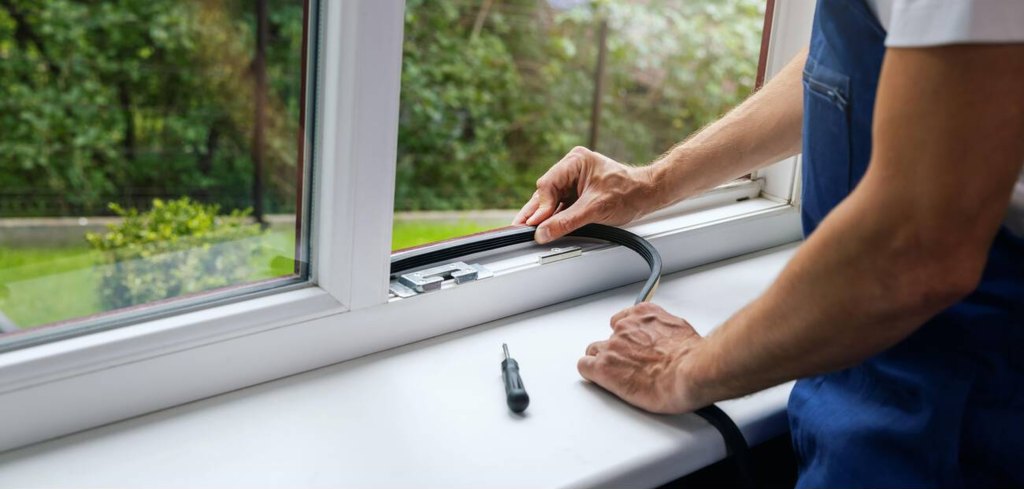
Inspect your windows and doors regularly to ensure they are sealed properly. Replace worn-out weatherstripping and caulking to prevent water from entering during a storm. If you live in an area prone to heavy rainfall or hurricanes, consider installing storm windows or doors for added protection. Taking these precautions can keep your home dry and prevent water from causing long-term damage.
Sewage Backup and Drainage Issues
Sewage backups are not only unpleasant but can also cause significant water damage. If your home’s plumbing system is not adequately maintained, clogs or blockages in the sewer lines can lead to wastewater backing up into your home. This can result in unsanitary conditions, as well as damage to flooring, walls, and personal belongings.
To prevent sewage backups, ensure that your home’s sewage system is inspected regularly by a professional plumber. Avoid flushing non-biodegradable items down toilets, as these can cause blockages. Installing a backflow prevention valve can also help prevent sewage from flowing back into your home in the event of a clog or blockage. If you experience a sewage backup, call a professional immediately to clear the issue and clean the affected areas to prevent health risks and further damage.
Condensation and Humidity Issues
Excess moisture in the air can lead to condensation on walls, windows, and pipes, contributing to water damage over time. This is especially common in areas like bathrooms, kitchens, and basements, where humidity levels are typically higher. Left unchecked, this moisture can promote mold growth and deteriorate building materials.
To combat condensation, ensure your home is properly ventilated. Use exhaust fans in bathrooms and kitchens to remove moisture from the air. Dehumidifiers can also be useful in areas prone to high humidity, such as basements. Regularly check for signs of mold growth and address any leaks or damp areas promptly. By controlling indoor humidity levels, you can prevent water damage caused by condensation and maintain a healthier living environment.
Conclusion
Water damage is a significant concern for homeowners, but understanding the common causes and taking preventative measures can make all the difference. Leaky roofs, plumbing issues, appliance malfunctions, flooding, and humidity problems are just a few of the risks that can lead to water damage. Regular maintenance, inspections, and prompt attention to potential issues are essential in preventing costly damage and safeguarding your home.
By staying proactive and addressing water-related issues quickly, you can protect your home and avoid the stress and financial burden that comes with water damage. If you do encounter water damage despite your best efforts, it’s crucial to act quickly by contacting professionals to mitigate the damage and restore your property to its original condition.





 House Specialist