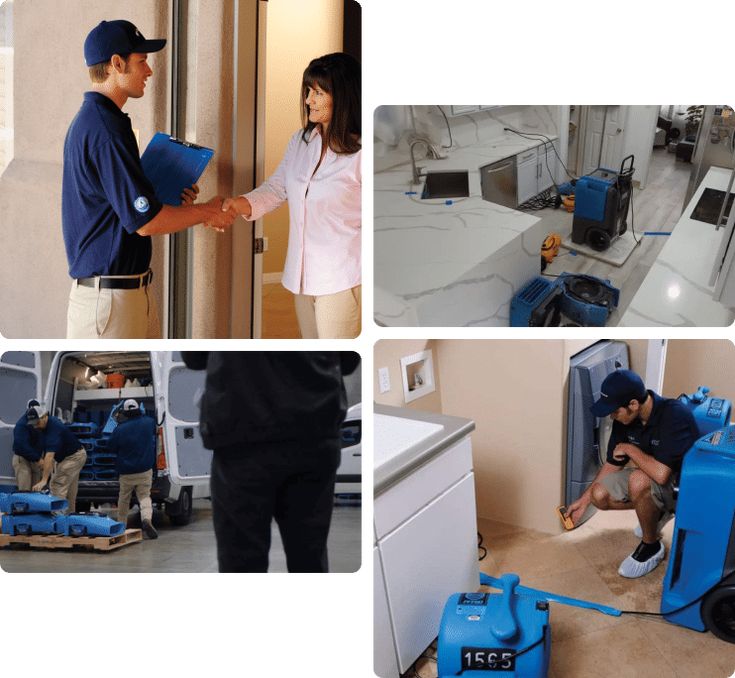
Water damage is one of the most serious issues a property can face. Whether caused by a burst pipe, heavy rainfall, or an unnoticed leak, water damage can lead to structural problems, mold growth, and health hazards if not addressed promptly. Recognizing the early signs of water damage is crucial in preventing further deterioration and costly repairs. Below are some key indicators that your property may require professional water damage restoration services.
Visible Water Stains
Water stains are one of the most noticeable signs of water damage. These stains usually appear as yellow, brown, or dark patches on ceilings, walls, or floors. Restore Your Space After Flooding to prevent further damage, as these stains indicate water leakage that can weaken the structure. If left untreated, they can also contribute to mold growth.
Peeling or Bubbling Paint and Wallpaper
Excess moisture behind walls can cause paint and wallpaper to peel, bubble, or crack. This happens when water weakens the adhesive holding the paint or wallpaper to the wall surface. If you notice these signs, there is likely an underlying water leak that needs to be addressed before it worsens.
Musty or Damp Odors
A persistent musty or damp smell is a strong indicator of excess moisture and possible mold growth. Mold thrives in damp environments and can spread quickly, posing potential health risks such as allergies, respiratory issues, and skin irritation. If you detect an unusual odor in a specific area of your home, it may be a sign that water has accumulated in walls, floors, or carpets.
Mold and Mildew Growth
Mold and mildew growth are clear indications of moisture problems. Mold can appear as black, green, or white spots on walls, ceilings, floors, or even furniture. It often develops in damp areas such as basements, bathrooms, and around leaks. If left untreated, mold can damage surfaces and pose serious health risks to occupants.
Warped or Buckled Flooring
When wood or laminate floors absorb moisture, they may start to warp, buckle, or separate. If your floors feel soft, spongy, or uneven underfoot, it could indicate that water has seeped beneath them. In severe cases, prolonged exposure to moisture can weaken the subfloor, leading to expensive repairs.
Soft or Sagging Drywall
Drywall is highly absorbent, meaning that even a small leak can cause it to become soft, sag, or crumble. If your walls feel damp or spongy to the touch, this could mean there is hidden water damage behind them. In extreme cases, drywall may start to bulge or warp, requiring immediate repairs to prevent structural instability.
Unexplained Increase in Water Bills
A sudden spike in your water bill without any noticeable increase in usage can indicate a hidden leak. Even a slow leak can cause extensive water damage over time, especially if it goes unnoticed behind walls or under floors. If your water bill is consistently higher than usual, it’s worth investigating for potential leaks.
Water Pooling or Puddles
Finding unexplained puddles or standing water in areas like your basement, under sinks, or along walls is a major warning sign. Even if the water seems to dry up on its own, repeated pooling suggests an ongoing leak that could lead to structural damage and mold growth.
Ceiling or Roof Damage
Sagging ceilings, water dripping from light fixtures, or visible roof damage, such as missing shingles or cracks, indicate that water has infiltrated your roof. Roof leaks can lead to extensive water damage in attics and upper floors, eventually affecting the entire structure of your home.
Cracks in the Foundation
Excessive moisture can weaken a property’s foundation over time. If you notice new or widening cracks in walls, floors, or the foundation itself, water damage could be the underlying cause. Addressing water-related foundation issues early can prevent more serious structural problems.
What to Do If You Notice Water Damage
If you recognize any of these warning signs, it’s essential to act quickly to minimize the damage. One of the best ways to ensure proper restoration is to seek Water Disaster Restoration Services from experienced professionals. Here are a few steps you should take:
- Identify the Source: Try to locate the source of the water intrusion, whether it’s a leaking pipe, roof damage, or foundation cracks.
- Shut Off Water Supply: If the issue is caused by plumbing, turn off the main water supply to prevent further leakage.
- Remove Excess Water: If safe to do so, remove standing water using towels, mops, or a wet vacuum.
- Ventilate the Area: Increase air circulation by opening windows and using fans to reduce humidity levels.
- Call a Professional Water Damage Restoration Service: Experts have the tools and experience to assess the extent of the damage, remove excess moisture, and restore your property effectively.
By staying vigilant and identifying these warning signs early, you can take the necessary steps to protect your home or business from further harm. If you suspect water damage, don’t wait—contact a professional water damage restoration service to ensure your property is restored safely and efficiently.
Final Thoughts
Water damage can escalate quickly if not addressed promptly. By staying vigilant and identifying these warning signs early, you can take the necessary steps to protect your home or business from further harm. If you suspect water damage, don’t wait—contact a professional water damage restoration service to ensure your property is restored safely and efficiently.
 House Specialist
Leave a comment