Water damage can be a homeowner’s worst nightmare, leading to costly repairs, structural issues, and potential health risks. It’s crucial to understand the common causes of water damage and how to address them quickly to minimize the damage. In this blog, we will explore the top causes of water damage and provide actionable steps to mitigate these risks. Being proactive and informed can save you from significant financial strain and health hazards.
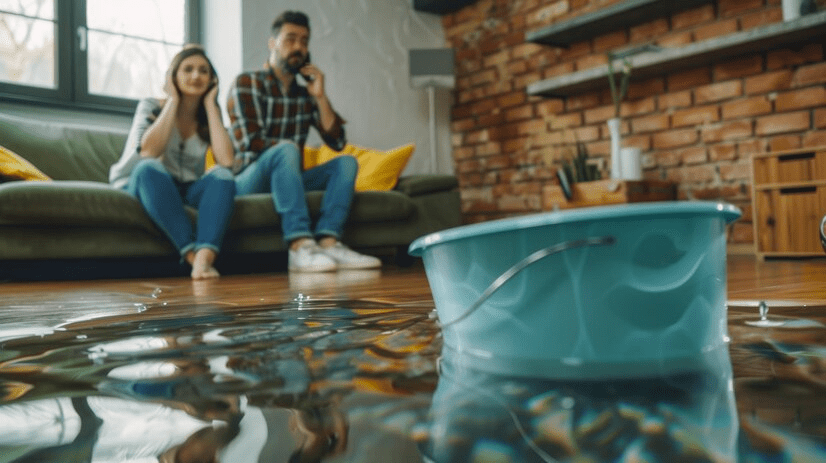
Leaky Roofs and Poor Roof Maintenance
One of the most common causes of water damage in homes is a leaking roof. Roofs are exposed to harsh weather conditions, including rain, snow, and wind, which can cause deterioration over time. Missing shingles, cracks, and debris can allow water to seep into your home, especially during storms.
To prevent water damage from a leaky roof, it is essential to conduct regular inspections. Look for signs of roof damage, such as missing shingles or sagging areas. If you notice any issues, address them immediately by hiring a professional roofing contractor for repairs. Regular roof maintenance, such as cleaning gutters and inspecting flashing around chimneys and vents, will help prevent water from entering your home. When caught early, roof leaks can often be repaired quickly and affordably, reducing the risk of more significant damage. In case water damage does occur, visit Power Dry for water damage cleanup and restoration services to minimize the impact.
Plumbing Failures and Burst Pipes
Plumbing issues, such as burst pipes or clogged drains, are common sources of water damage in homes. Freezing temperatures can cause pipes to expand and crack, leading to leaks. Over time, pipes can corrode or deteriorate, further increasing the risk of water damage.
To prevent plumbing failures, it is vital to maintain your plumbing system regularly. Insulate pipes in colder areas of your home to prevent freezing, and be mindful of any signs of leaks, such as water stains or dampness on walls. If you live in an older home, consider upgrading your pipes to more durable materials, such as copper or PVC, to reduce the likelihood of future issues. In the event of a burst pipe or major leak, immediately turn off the water supply to your home and call a plumber to fix the problem before further damage occurs.
Appliance Malfunctions
Household appliances, such as washing machines, dishwashers, water heaters, and refrigerators, are also common culprits of water damage. Leaking hoses, faulty valves, or improper installation can lead to water pooling in areas where it shouldn’t be.
Regularly inspect the hoses and connections of your appliances to ensure they are in good condition. Replacing old or cracked hoses is an easy and affordable preventive measure. Additionally, always follow the manufacturer’s guidelines for installation and maintenance. If you notice any signs of leakage or dampness around an appliance, turn it off immediately and call a professional to address the issue. Preventing appliance malfunctions through routine checks can save you from a flooded home and costly repairs.
Flooding and Heavy Rainfall
Flooding is a severe cause of water damage that can occur as a result of heavy rainfall, hurricanes, or rising rivers. When the drainage systems become overwhelmed, water can seep into your basement or lower floors, leading to significant damage.
To protect your home from flooding, ensure your property has adequate drainage systems, such as gutters and downspouts, that direct water away from your home. Installing sump pumps in basements or lower-level areas can help remove excess water in case of flooding. Additionally, consider elevating critical components like electrical panels or HVAC systems above potential flood levels. Flood-proofing your home with these measures can reduce the chances of water damage during severe weather events.
Blocked Gutters and Downspouts
Clogged gutters and downspouts are often overlooked but can lead to significant water damage if not maintained regularly. When gutters are blocked by leaves, twigs, or debris, they can’t properly direct water away from your home. This can cause water to overflow, potentially damaging the foundation, siding, and even seeping into the interior of your home. Water extraction solutions by restoration specialists can help mitigate the effects of water damage caused by blocked gutters.
Clean your gutters at least twice a year, particularly in the fall when leaves are most likely to accumulate. Ensure downspouts are clear and direct water away from the foundation of your home. If you live in an area with heavy rainfall or trees near your home, consider installing gutter guards to minimize debris buildup. Maintaining clear gutters is an easy and effective way to prevent water from pooling around your home’s foundation and causing significant damage.
Windows and Doors Vulnerability
Windows and doors are potential entry points for water if they are not properly sealed or if weatherstripping is damaged. Heavy rain or storms can cause water to seep inside through gaps in the seals, leading to moisture damage on walls, floors, and furniture.
Inspect your windows and doors regularly to ensure they are sealed properly. Replace worn-out weatherstripping and caulking to prevent water from entering during a storm. If you live in an area prone to heavy rainfall or hurricanes, consider installing storm windows or doors for added protection. Taking these precautions can keep your home dry and prevent water from causing long-term damage.
Sewage Backup and Drainage Issues
Sewage backups are not only unpleasant but can also cause significant water damage. If your home’s plumbing system is not adequately maintained, clogs or blockages in the sewer lines can lead to wastewater backing up into your home. This can result in unsanitary conditions, as well as damage to flooring, walls, and personal belongings.
To prevent sewage backups, ensure that your home’s sewage system is inspected regularly by a professional plumber. Avoid flushing non-biodegradable items down toilets, as these can cause blockages. Installing a backflow prevention valve can also help prevent sewage from flowing back into your home in the event of a clog or blockage. If you experience a sewage backup, call a professional immediately to clear the issue and clean the affected areas to prevent health risks and further damage.
Condensation and Humidity Issues
Excess moisture in the air can lead to condensation on walls, windows, and pipes, contributing to water damage over time. This is especially common in areas like bathrooms, kitchens, and basements, where humidity levels are typically higher. Left unchecked, this moisture can promote mold growth and deteriorate building materials.
To combat condensation, ensure your home is properly ventilated. Use exhaust fans in bathrooms and kitchens to remove moisture from the air. Dehumidifiers can also be useful in areas prone to high humidity, such as basements. Regularly check for signs of mold growth and address any leaks or damp areas promptly. By controlling indoor humidity levels, you can prevent water damage caused by condensation and maintain a healthier living environment.
Conclusion
Water damage is a significant concern for homeowners, but understanding the common causes and taking preventative measures can make all the difference. Leaky roofs, plumbing issues, appliance malfunctions, flooding, and humidity problems are just a few of the risks that can lead to water damage. Regular maintenance, inspections, and prompt attention to potential issues are essential in preventing costly damage and safeguarding your home.
By staying proactive and addressing water-related issues quickly, you can protect your home and avoid the stress and financial burden that comes with water damage. If you do encounter water damage despite your best efforts, it’s crucial to act quickly by contacting professionals to mitigate the damage and restore your property to its original condition.
 House Specialist
Leave a comment